

Category: Uncategorized
-
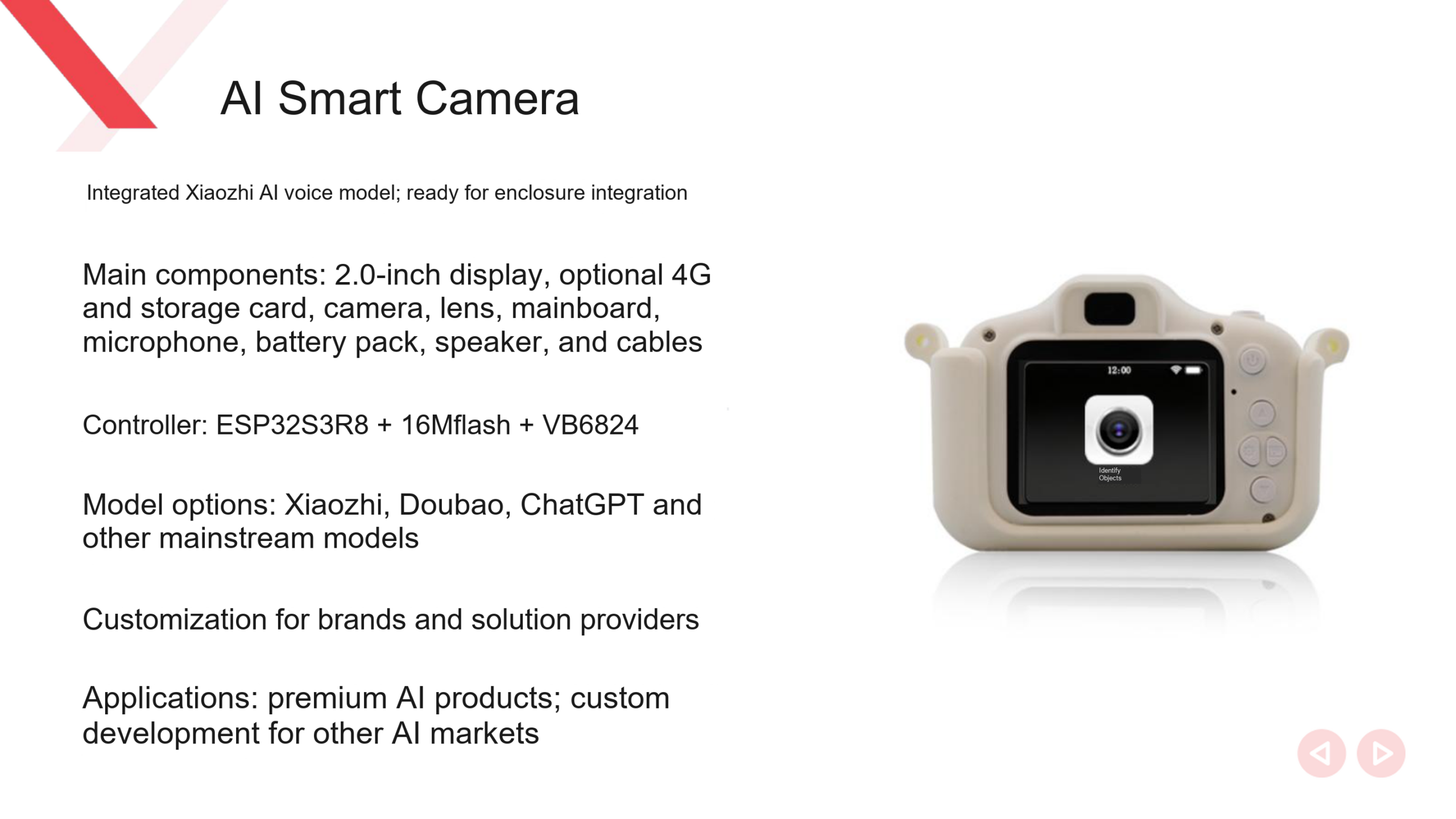
AI smart camera hardware: controller, camera, display and connectivity
Assess the DOIT AI smart camera’s ESP32-S3 controller, image capture, audio, display and optional connectivity, then plan prototype tests.
-
Choosing an AI recorder card: microphones, bone conduction, storage and battery life
Read the Gongdao AI recorder card specifications, assess audio capture, connectivity and storage, and identify dimensions and weight that need confirmation.
-
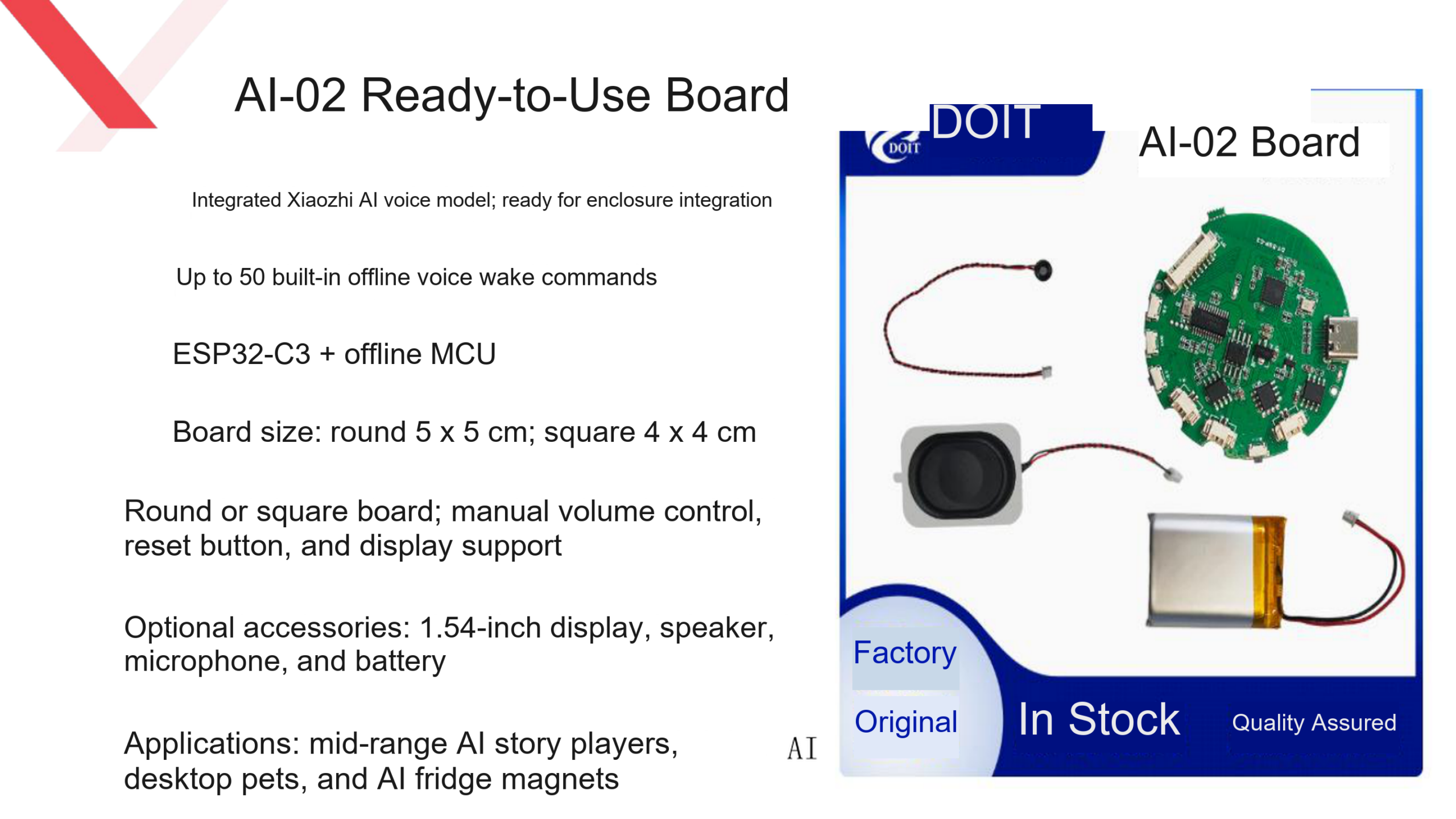
Choosing hardware for AI toys: story players, desktop pets and smart dolls
Plan AI toy hardware around voice, displays, enclosure design and connectivity, with tests for story players, desktop pets and smart dolls.
-
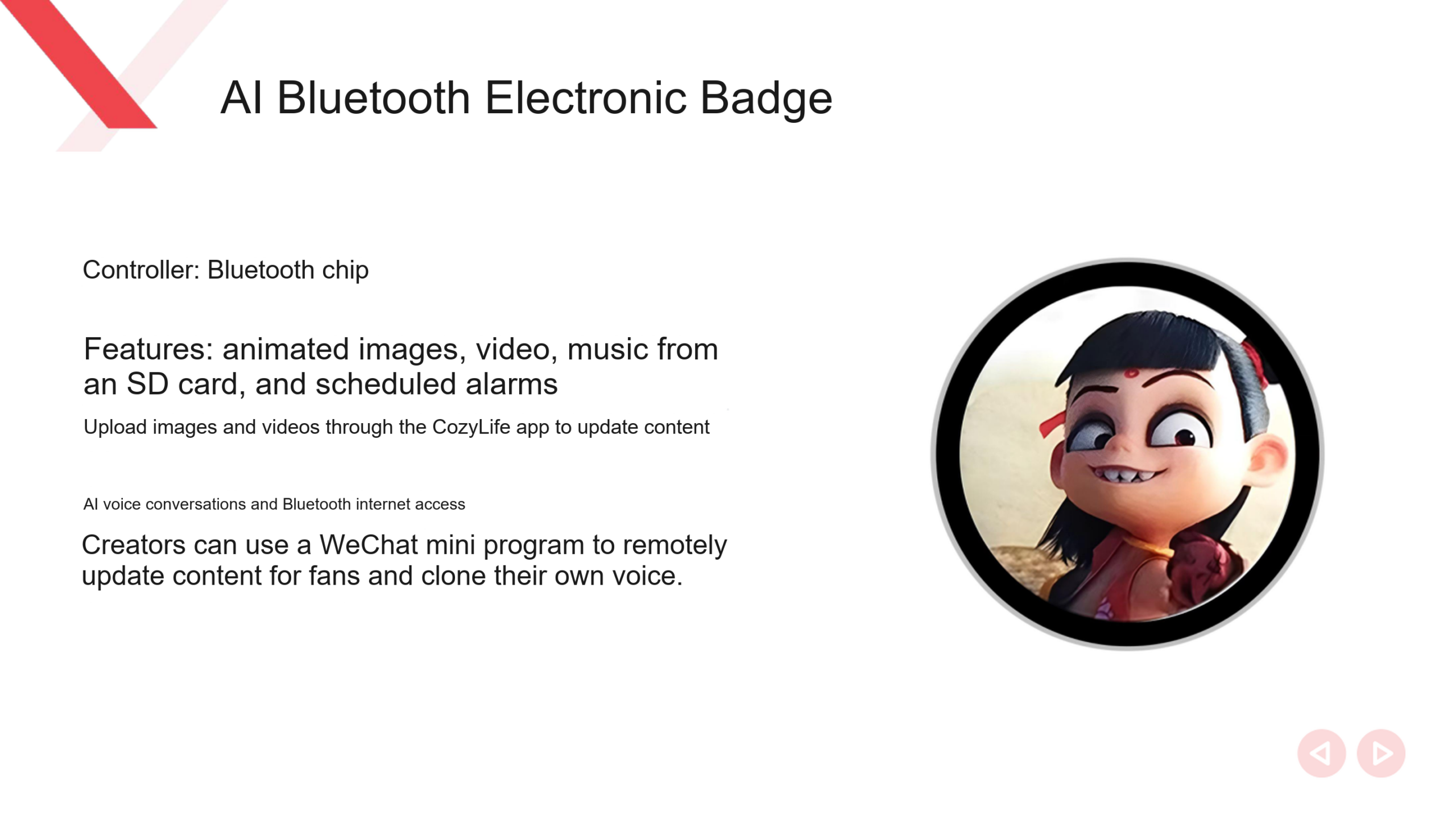
What can an AI electronic badge do? Bluetooth and ESP32-S3 versions compared
Compare DOIT electronic badges by media playback, AI conversations, voice cloning, knowledge bases and updates, then plan prototype tests.
-
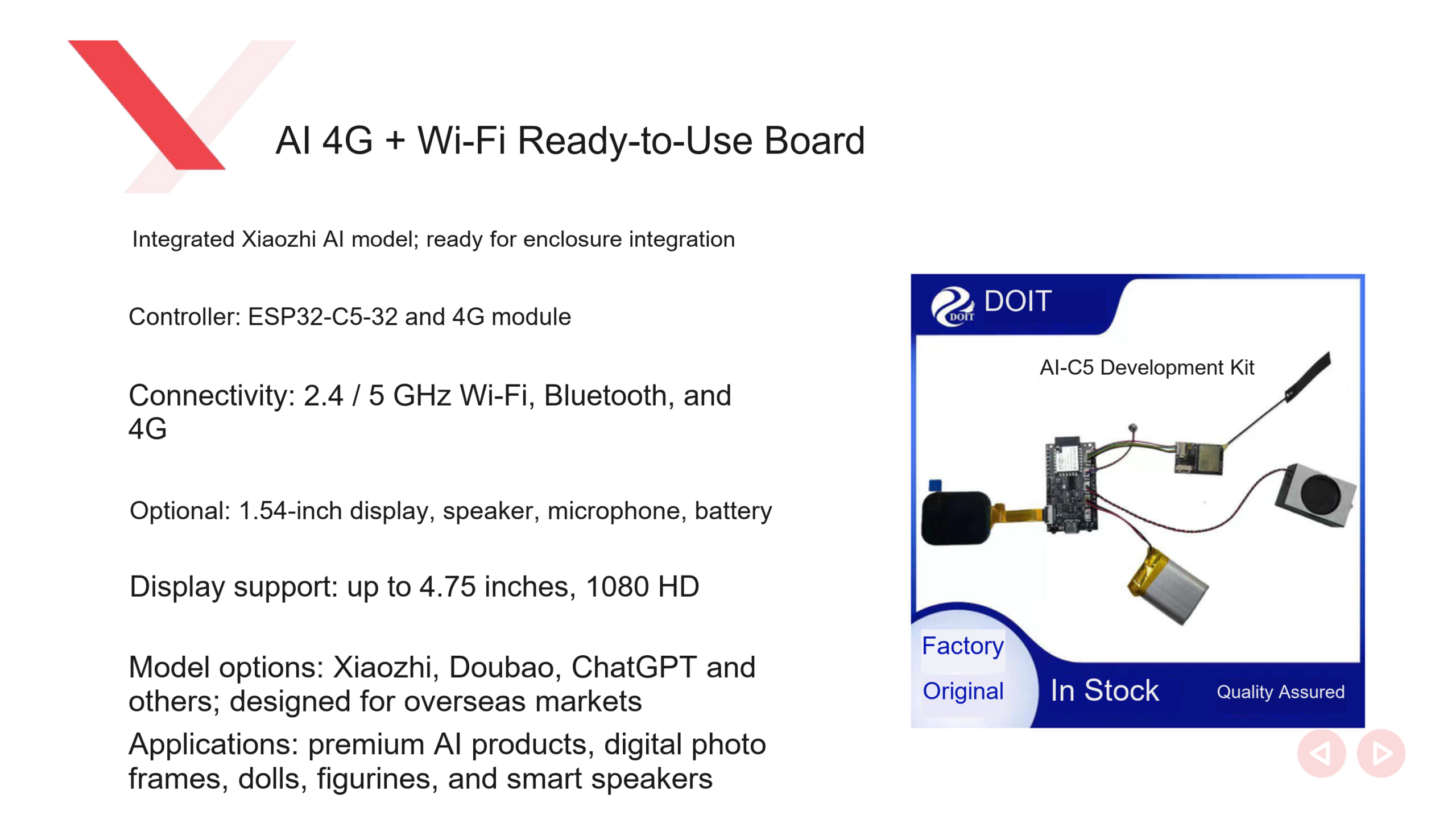
Using Xiaozhi AI without Wi-Fi: switching AI-C5 between 4G and Wi-Fi
Check AI-C5 4G requirements, follow the documented button timing for network mode changes, and troubleshoot connectivity.
-
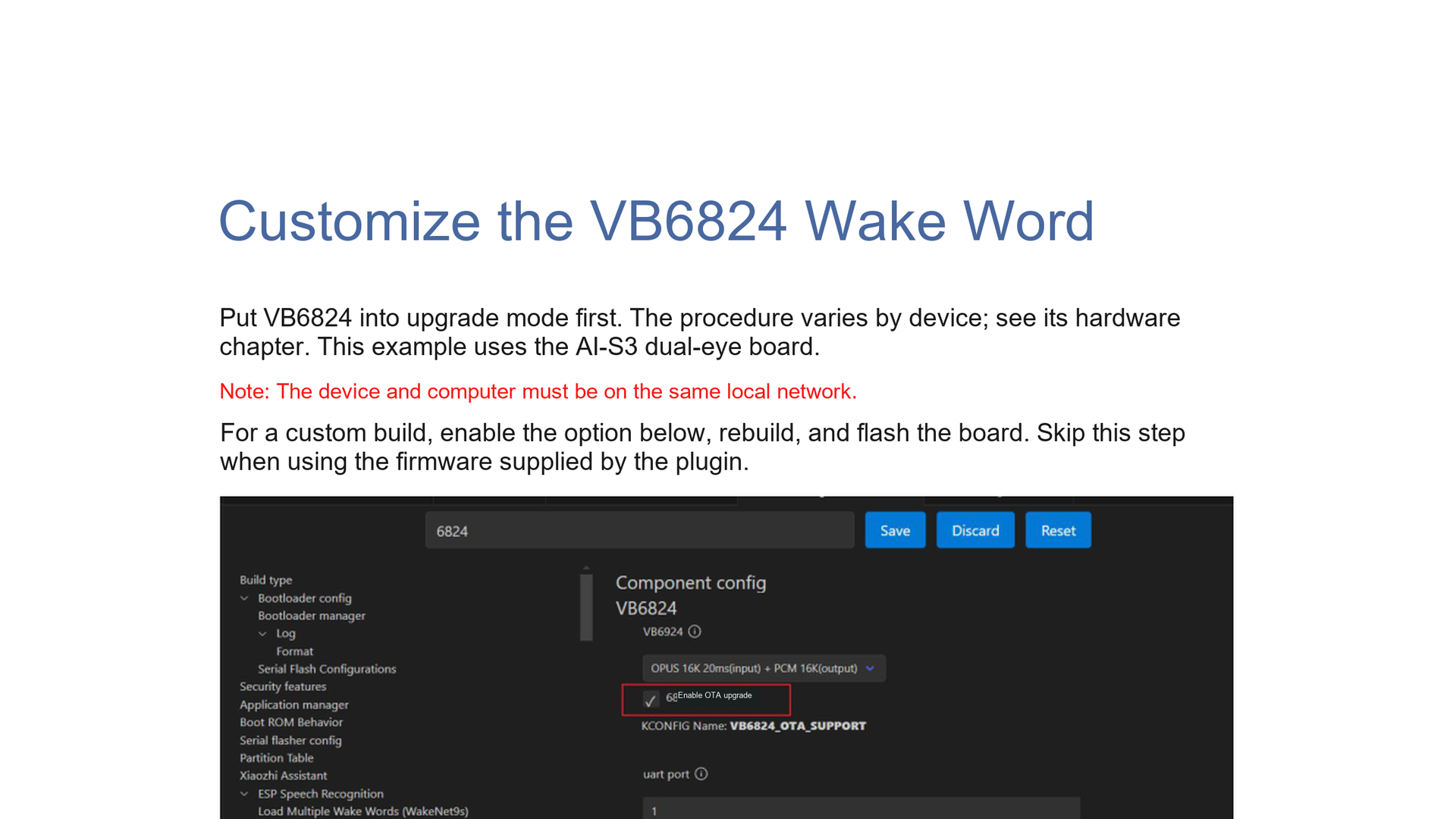
Changing a VB6824 wake phrase: update mode and customization
Use the DOIT AI-S3 dual-eye example to check VB6824 OTA requirements, enter update mode, choose a wake phrase and test the result.
-
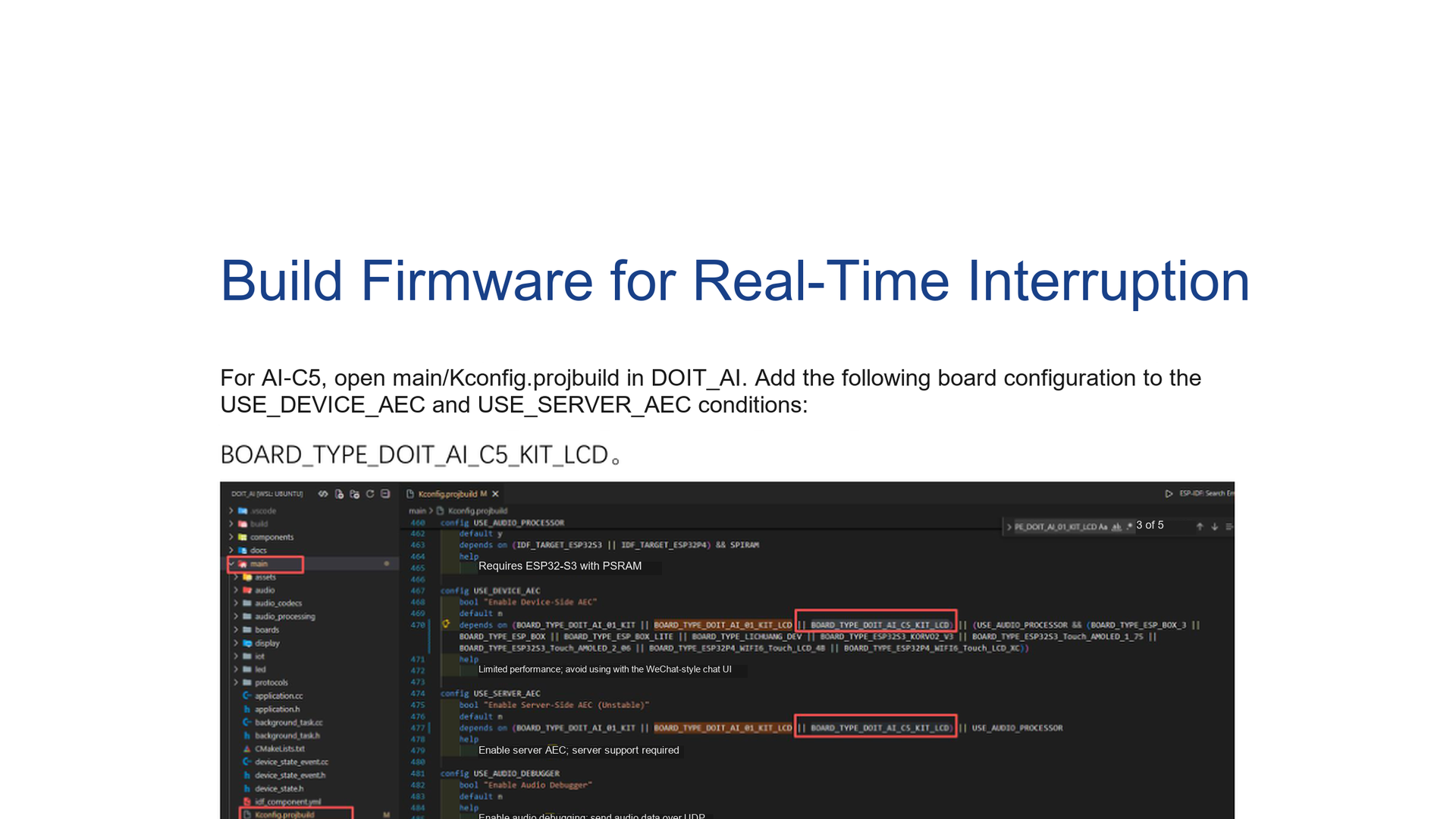
Xiaozhi AI real-time interruption: device-side and server-side AEC
Use the DOIT AI-C5 example to understand interruption, device-side and server-side AEC, configuration requirements and testing.
-
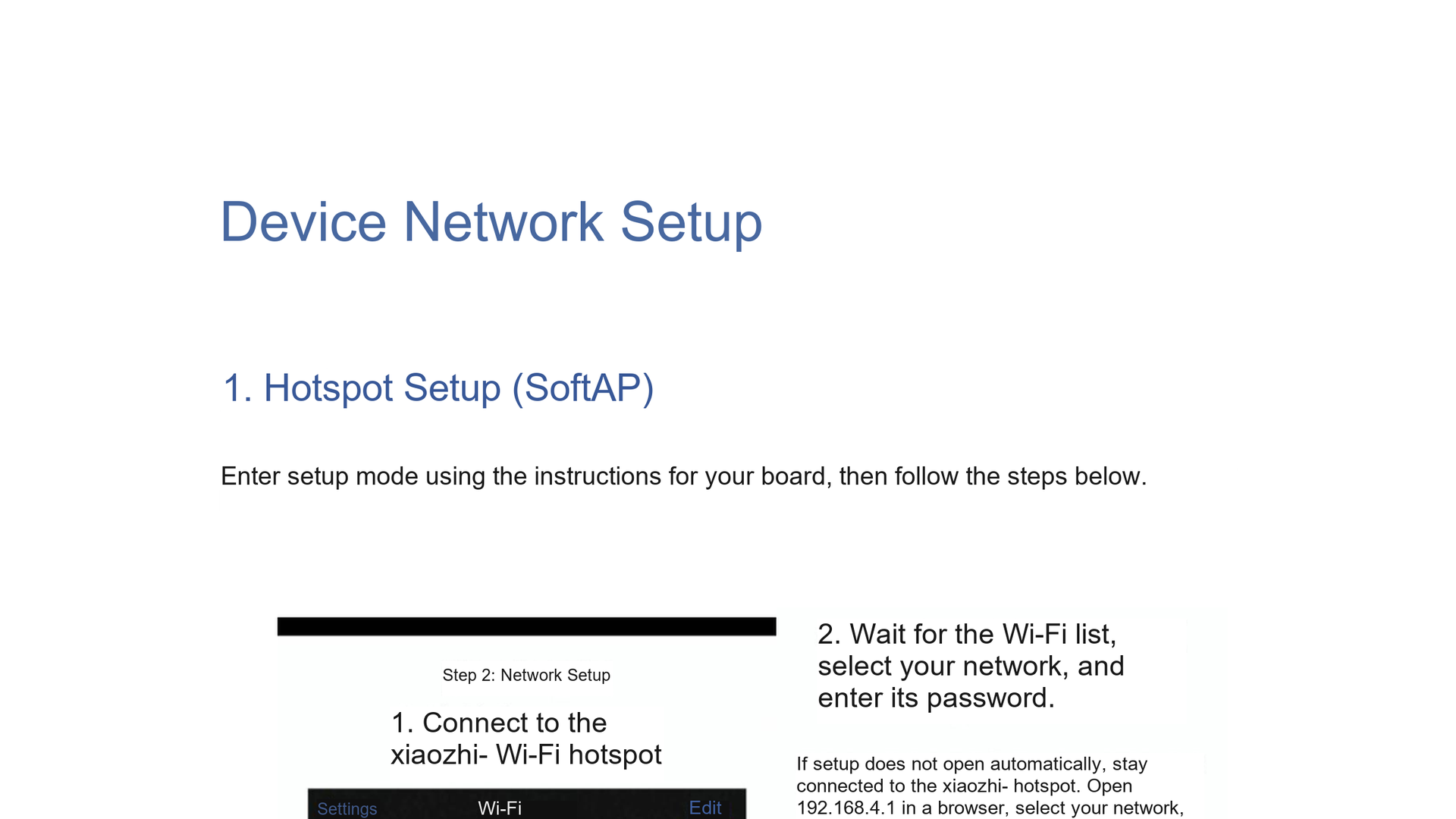
How to connect Xiaozhi AI: SoftAP and BluFi provisioning
Follow the DOIT SoftAP and BluFi setup procedures, check Wi-Fi connection and device binding, and troubleshoot each stage.
